Life in the R.A.A.F
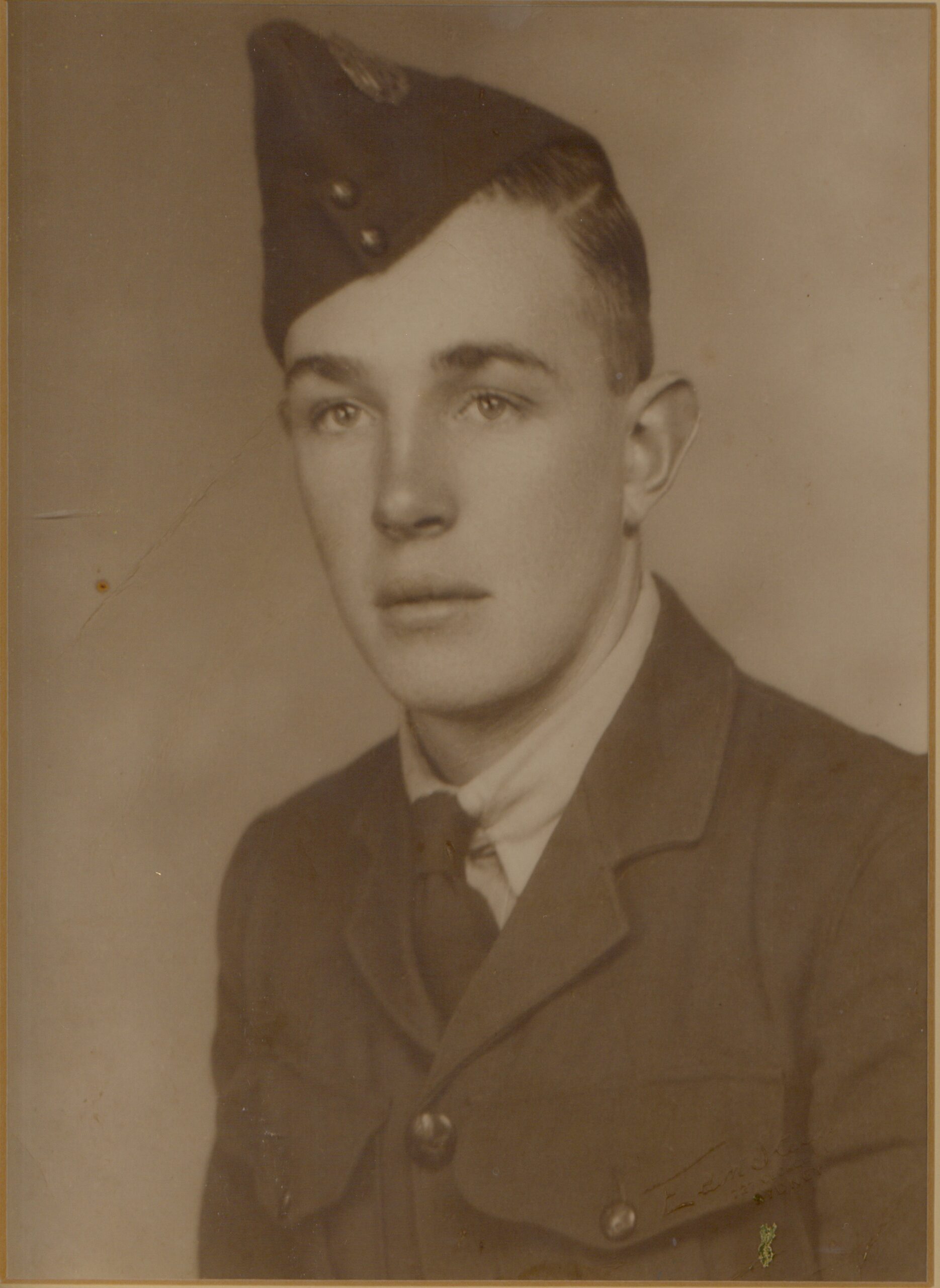
Brief record of Air Force Service
2 Recruitment Depot, Tocumwal 02-03-43
11 Repair and Servicing unit, Mt Druitt and Nadzab 03-04-43
4 Airfield Construction Squadron, Goodenough Island 25-06-44
Headquarters Northern Command, Finschhafen 31-08-44
2 Personnel Depot Bradfield Park 17-07-45
87 Mosquito Survey Squadron Parks 09-01-46
2 Personnel Depot Bradfield Park 23-04-46
Discharge from R.A.A.F.
————-
I went Sydney for Medical test and could not pass for flying as I was colour blind.
It was 23rd of February 1943, a Tuesday, – with a draft of about 150 recruits we loaded onto a troop train and headed to Tocumwal for our initial training. Mum with her inside knowledge of feeding troop trains was on the platform as we headed south. It was about 8pm when we arrived at Moss Vale and Mum told me that one of our mates Colin Banzer had been killed in Townsville. Not a good start to life in the Service. Arrived in Narrandera at 7 in morning and received first meal of powdered egg. We thought it was great but after a few months it didn’t taste so good. Over the Riverina plains we went to Tocumwal arriving about 1pm. Two things I remember on this part of the trip of the trip were the huge swarms of rabbits around the waterholes and seeing the horse teams pulling machinery on the farms 12 or more per team.
We left the train and lined up in three columns and set off in 100o [Fahrenheit – approx. 38o C] heat to march to the station along a gravel road. We had not been issued with uniforms or boots at this stage so many of the chaps were only wearing very lightweight shoes and they really suffered. I was fortunate as I had a good pair of leather shoes on. It was a tough 3 kms from the station and with no lunch I am afraid by the end of it the Air Force was being told what to do with itself. This was our introduction to No 2 Recruit depot Tocumwal.
We were given a sandwich for lunch then issued with our eating irons – Knife, Fork and Spoon, two enamel plates and mug. A Palliase (a long jute bag) which we filled with straw, allocated to huts and left to our own devices till tea time. We were also given 2 blankets.
Writing recommenced 08/01/99 after 3 month lay off through attack of Prostate cancer and progressed into bones. [Fred’s written notes have the date as 8/1/98 – but this contradicts note on first page saying writing started 21st June 1998 so think that 99 is possibly correct]
We filled our our palliasse with straw and collapsed on it for the rest of the day. We were housed in huts about 40 feet long and 20 feet wide. They had a pair of double doors each end, several small high narrow windows along each side and outside lining were of corrugated iron. With temperatures topping 100o plus (38o to 40o) each day they were hot boxes during the day and lasted well into the night.
Next day we were issued with our uniforms, blue for going out, Khaki drill, underwear which was generally two sizes too big and woollen material which was too hot to wear out at Tocumwal. Two boiler suits for work, and everyday work boots shoes and socks.
Allocated our rank, everybody was A.C.1 and number in my case was 131573 which stayed with you for your service career.
Then down to medical hut to receive immunisation needles. Six of them all told, three in each arm. The chap in front of me keeled over at the sight of the needles, all that was said was “Jab him where he is, makes it easy” and they then rolled him to the side to recover.
So began 3 weeks of intensive training up to 7 hours a day parade marching, drilling with rifles, running around the aerodrome and generally getting us into some degree of fitness and mental attitude to cope with future situations. As I was in reasonable fit condition I did not find it real tough but some who had come out of city offices etc really found it very tough going.
The fourth week we marched approx 6km out to the Murray River. On the road which was built up above the surrounding ground level we were strafed continually by planes from the base – we were supposed to slide into the ditch beside the road and take cover which was non existent. Growing in the ditches were dozens of wild paddy melons, round about the size of a rockmelon. We would get these melons when on road level and bowl them along the surface, they gathered quite a lot of pace. They would travel some distance before diving back into ditch. Too bad if you happen to be in line as they gave quite a lively thump.
We camped on the bank of the river for the week. No tents and sleeping on the bare ground. Here we did rifle training with live ammunition. There was a full commando training course which includes rope climbing nets poles between trees about 20’ above ground level, barrels to climb through, barbed wire entanglements to negotiate and ropes strung across billabongs.
With a full kit on we had to negotiate this by locking your boots on the rope and pulling yourself hand over hand across the water. We caught an instructor on the rope right in the middle of the billabong. We reached the rope and started swinging it from side to side. He hung on for some time but eventually fell into the water. “Boy did he give us hell on the course after that.”
At the end of this week of intensive training we were surprised to have sufficient elementary knowledge to help defend any aerodrome or work station to which we were posted. We returned to the base camp at Tocumwal and in the next two days we were given our movement orders to various stations or to special schools for further training. Five of us were handed postings to Mt Druitt – our first reaction was where the hell is Mt Druitt and no one could tell us what or where it was.
Leave a Reply
You must be logged in to post a comment.